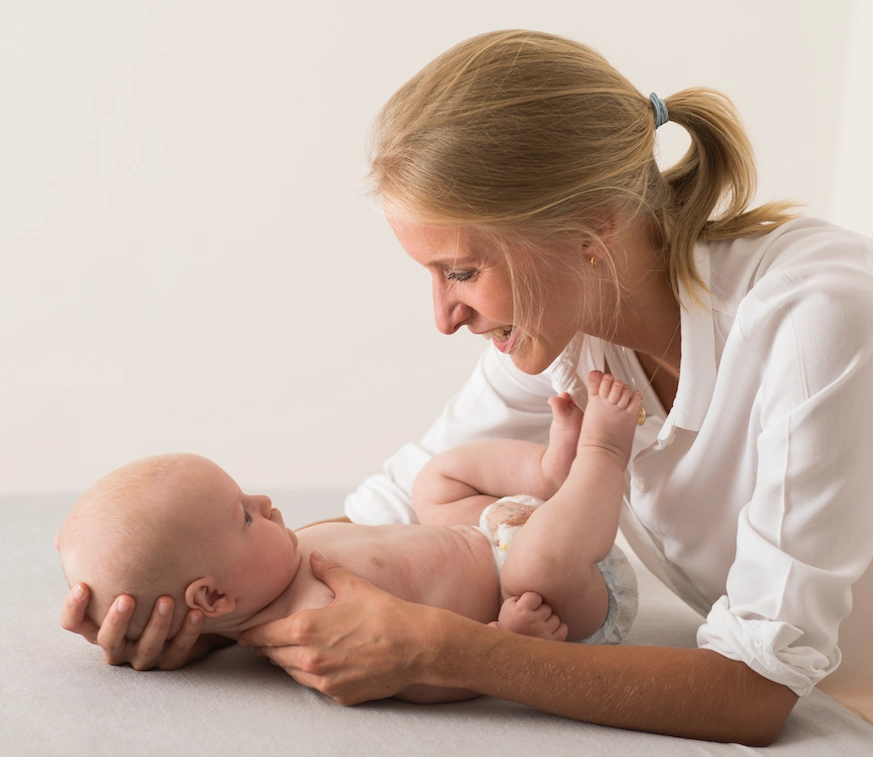
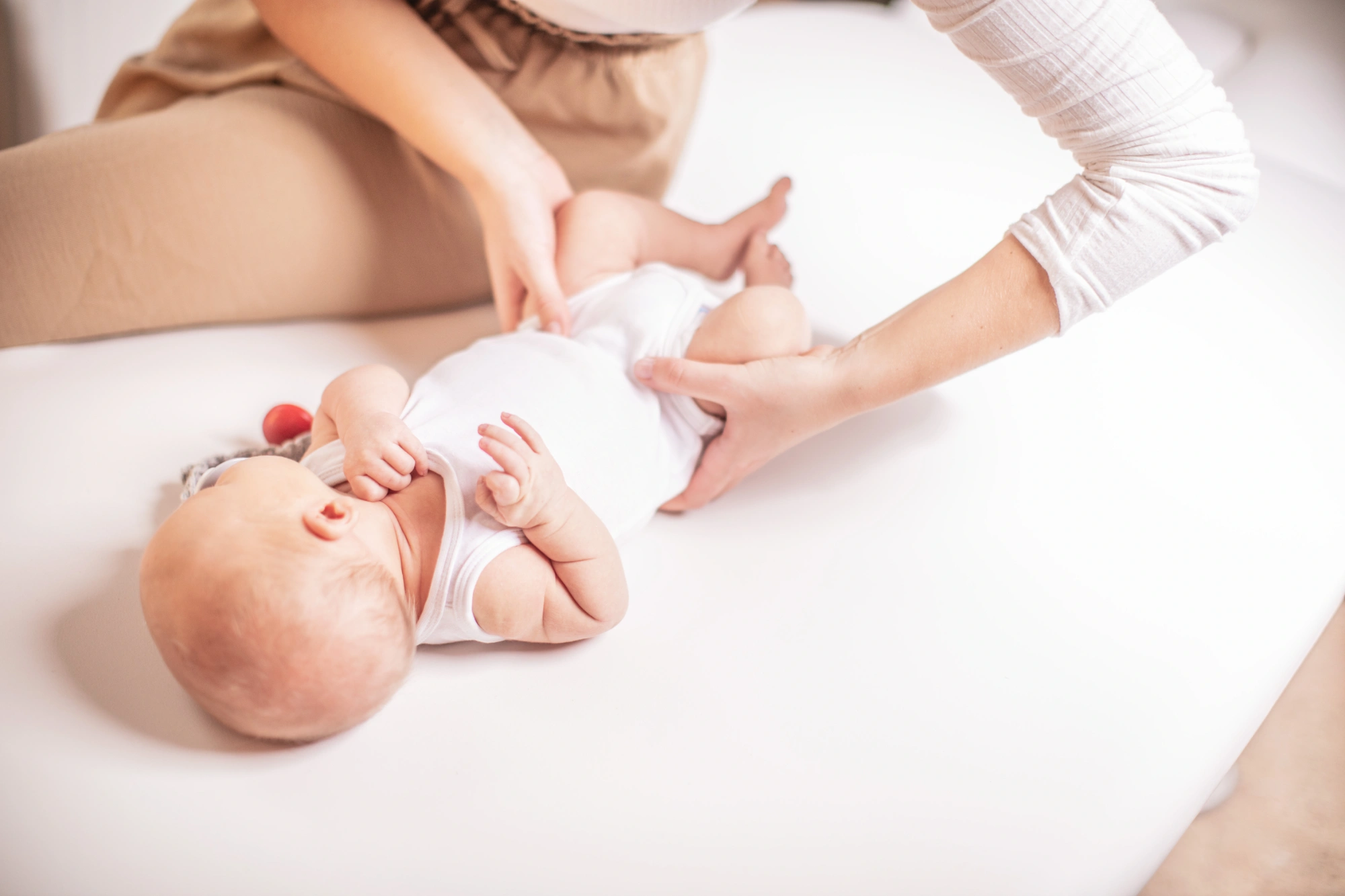
The goal of paediatric osteopathy is to promote the health and wellbeing of children by detecting and treating possible problems in the musculoskeletal and visceral systems at an early stage.
The areas of application of paediatric osteopathy include:
1. Birth trauma: infants can suffer injuries or trauma during birth that affect their wellbeing.
2. Sleep problems: sleep disturbances in children can have various causes, including discomfort or pain associated with muscular or skeletal problems.
3. Colic and digestive complaints: parents often seek help when their infants suffer from colic or digestive problems.
4. Posture and growth: because a child's anatomy and body structure change constantly during growth, regular examinations should check for deviations in symmetry and any restricted or altered functioning of the body.
5. Neurological problems: developmental delays or learning difficulties can have their causes in a less-than-optimal functioning of the nervous system.
6. Ear infections and respiratory problems: children with recurring ear infections or respiratory problems, such as asthma or chronic bronchitis, should be examined for functional disorders of the respiratory system and the associated nerves, arteries and lymphatic system.
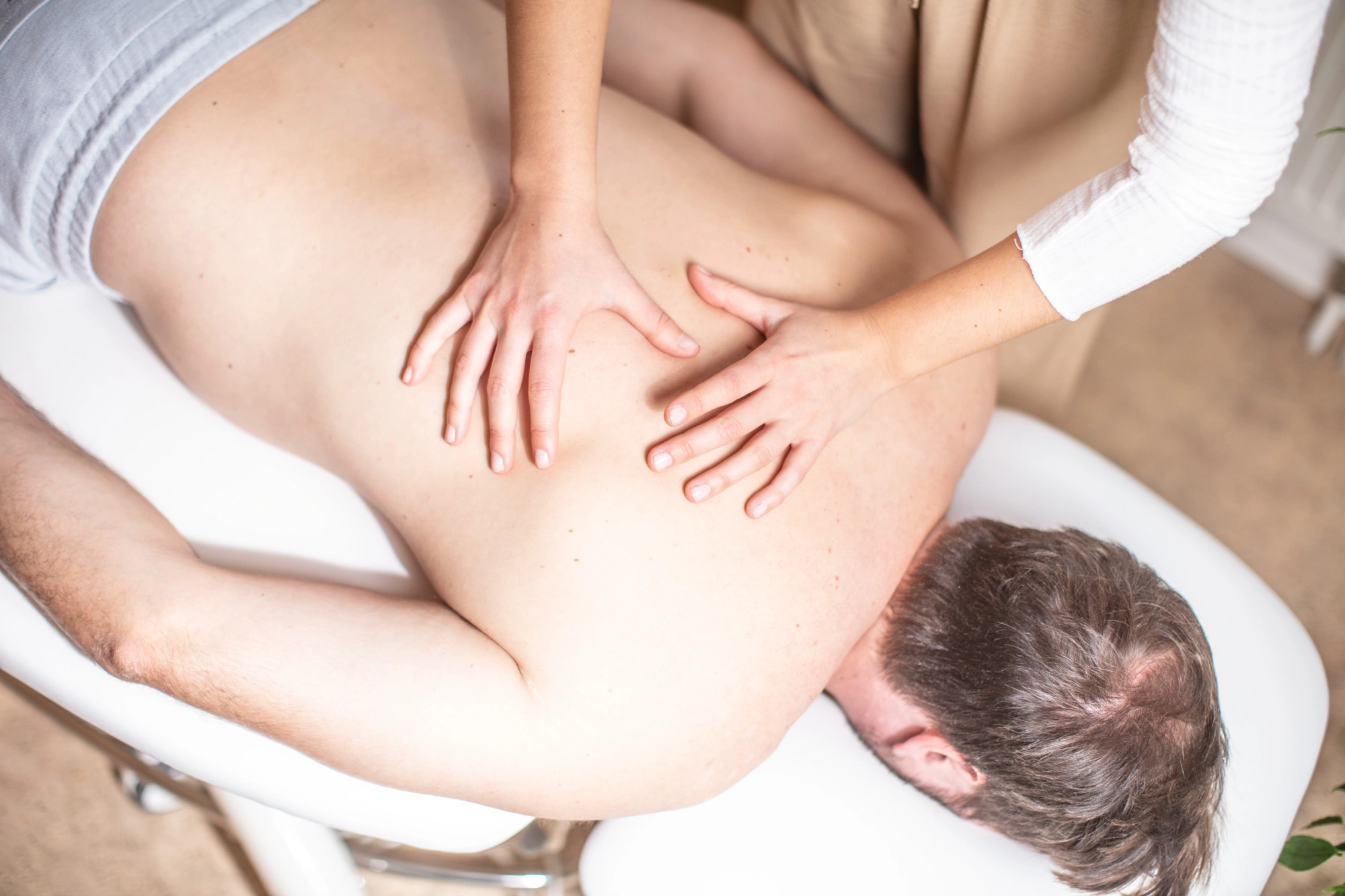
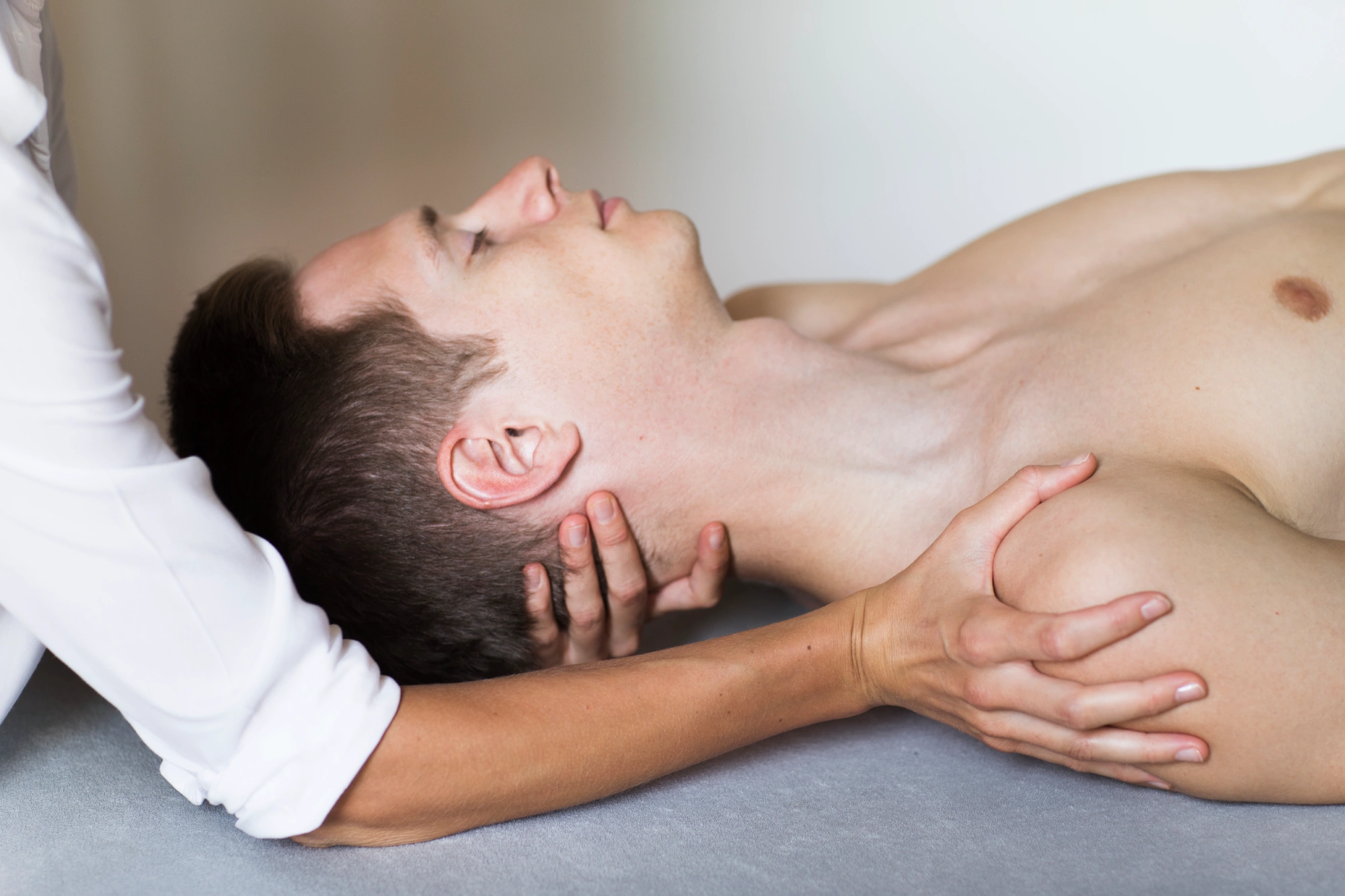
It is important to emphasise that paediatric osteopathy is a gentle and careful method. The osteopathic techniques used with children often differ considerably from those for adults and are designed to support the child's body in its development and to relieve symptoms. Osteopaths generally use gentle manual techniques, such as soft touches and movements, to release tension and restore the body's normal function.